The Ring Road, or Route 1, offers travellers a unique way to experience Iceland’s diverse natural scenery at their own pace. This article explains what to expect when planning a self-drive Ring Road adventure, including route duration, seasonal changes, driving conditions, accommodation, and tips for a smooth journey.
The Ring Road, officially known as Route 1, is Iceland’s signature self-drive route. It stretches for about 1,320 kilometres and loops around the island. Travellers looking for flexibility and the chance to see Iceland’s varied scenery at their own pace often choose this circuit and speaking from experience, it’s a great route to choose!
While the route can suit independent adventurers, couples, and families, it pays to set realistic expectations. Driving in Iceland means adapting to variable weather, long days behind the wheel, and the need to plan carefully, especially with car rental options such as Blue Car Rental Iceland offering numerous rental types for different trip styles.
Planning the duration of a Ring Road trip
For most travellers, a full Ring Road journey takes between seven and ten days. A week is enough to visit major natural sights with steady driving each day. Extending your trip to ten days or more gives time for side trips, extra hikes, or weather delays. Trying to complete the route in less than a week means rushing key stops and spending too much time in the car. This is rarely worthwhile, given Iceland’s frequent weather changes and the temptation to detour for sudden roadside waterfalls or photo stops.
Read my other Iceland posts afterwards: What To Wear in Iceland in Winter – My MINIMAL Iceland Winter Packing List! & EPIC 4 Day Iceland Itinerary for Winter or Summer!
Choosing the right season to drive
Seasonal differences make a big impact on your experience. Summer (June to August) brings almost round-the-clock daylight, easier driving conditions, and most attractions are open, but this period also sees more visitors and higher costs. Spring and autumn offer fewer crowds but come with unpredictable weather and shorter days, which makes flexibility essential. Winter trips are possible with careful planning and experience on icy roads. However, you should expect road closures in remote areas and minimal daylight, which limits sightseeing time.
Route planning and daily distances
It makes little difference whether you drive clockwise or anticlockwise. What matters more is how you split your daily drives. Covering between 150 and 250 kilometres per day allows for sightseeing and breaks without feeling rushed. Building in buffer time is wise, as strong winds, road maintenance, or minor detours can alter your schedule. Many travellers set overnight stops near key sights such as national parks or glacier areas to balance driving with exploring.
Types of stops along the route
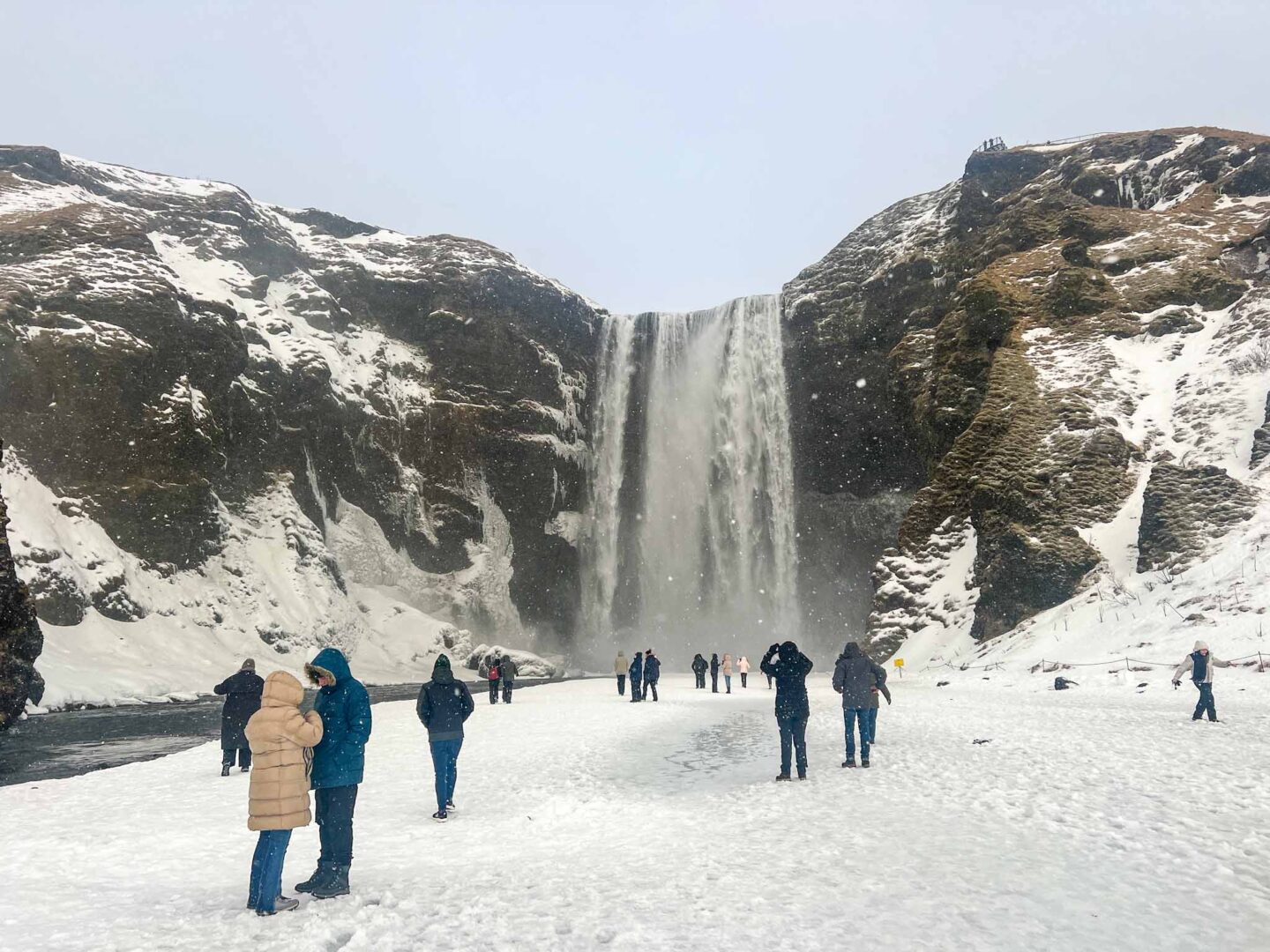
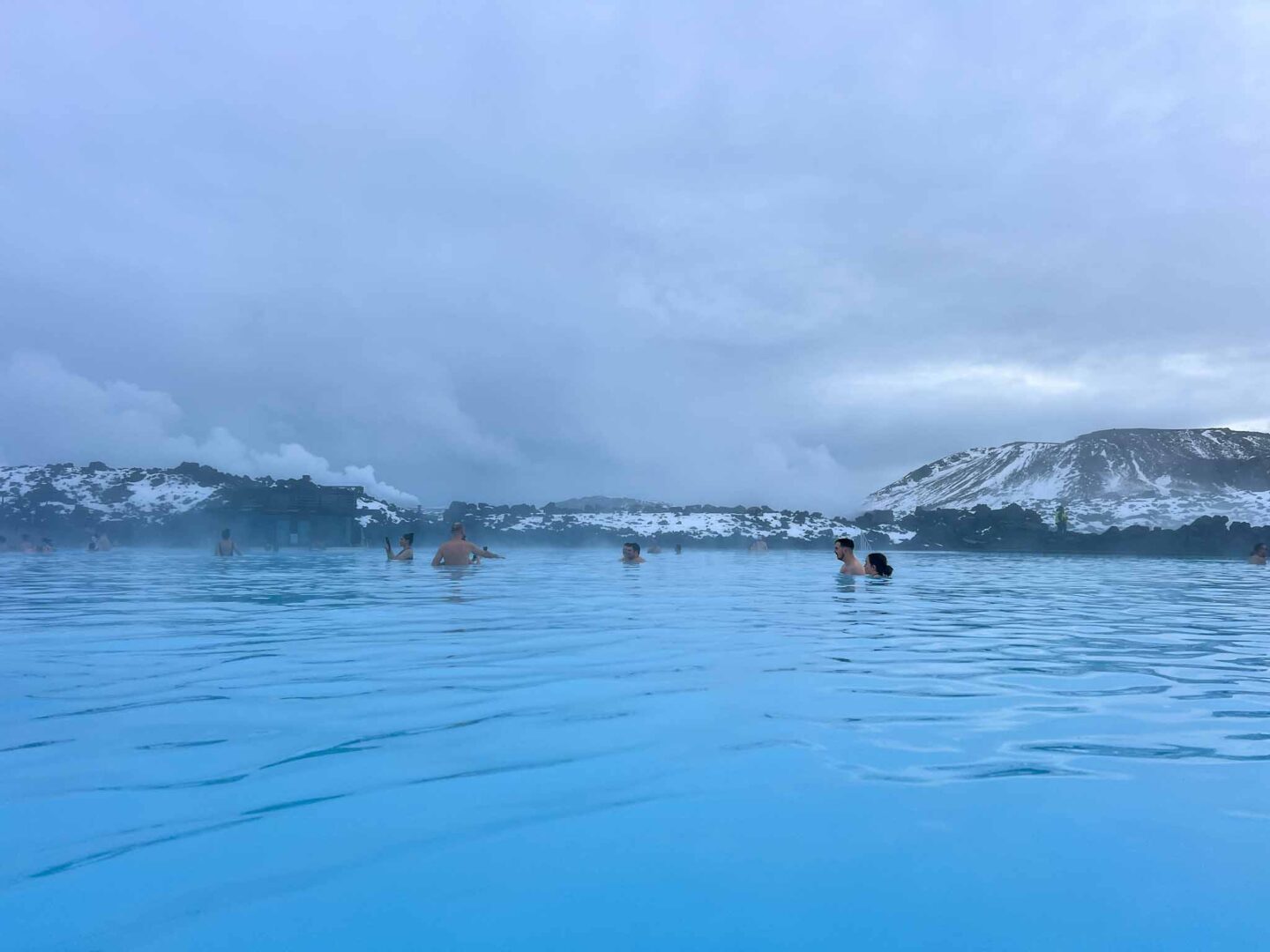
The Ring Road links some of Iceland’s most famous features. You will pass dramatic waterfalls, black-sand beaches, glacier lagoons, geothermal hot springs, and rugged coastal viewpoints. Many stops offer short walks from the car park, while others, such as glacier hikes or longer waterfall walks, require more time and preparation. Choosing a mix of both lets you appreciate Iceland’s scenery without overcommitting your schedule.
Practical driving advice
Expect a range of road surfaces, from smooth tarmac to stretches of gravel, especially near natural attractions. Lower your speed on loose surfaces and in poor visibility. Icelandic weather can change abruptly; gusting winds and rain are common, so always adjust your driving style, leave more space between vehicles, and be patient around slower traffic or roadworks.
Staying fuelled and stocked
Some parts of the Ring Road pass through isolated areas with few petrol stations or shops. Topping up your fuel and picking up essentials in larger towns helps you avoid running low when options are scarce. Many stations are self-service and accept credit cards. Having a plan for the quieter stretches is especially important to prevent unexpected delays.
Accommodation types and booking tips
Travellers usually stay in guesthouses, farm stays, cabins, or designated campsites. Booking ahead is recommended in summer, while shoulder seasons allow more flexibility. However, accommodation can be limited in remote areas. Having a mix of pre-booked and flexible nights can help manage changes to your itinerary without stress.

Packing essentials for comfort and safety
Warm, waterproof clothing layers, sturdy shoes, and rain protection are essentials even in summer. Bring snacks, refillable water bottles, and basic car supplies such as a charging cable and torch. An offline map or navigation backup is useful in case you lose mobile signal, which can happen in rural areas.
Checklist for a smooth self-drive Ring Road trip
- Allow seven to ten days for the full loop
- Choose the travel season to suit your comfort with driving and daylight
- Split daily drives over realistic distances
- Mix must-see stops with rest breaks and buffer time
- Prepare for quick weather changes and varying road conditions
- Plan refuelling and food stops in advance
- Book accommodation early in peak times or travel with flexibility in the off season
- Pack for changing weather and bring basic safety gear