Some of my favourite travel experiences haven’t been the whistle-stop, see-five-countries-in-two-weeks kind of trips. They’ve been the times I’ve settled somewhere for a month or more and really got under the skin of a place. I spent four months on Gili T in Indonesia, three months in Istanbul, long stretches all over Asia, and a couple of years living in London and Australia before that, and honestly, slow travel and living abroad are where I fall in love with a country properly.
Whether you’re a slow traveller basing yourself somewhere for a season or a full-on expat setting up life in a new country, the rhythm is completely different to a quick holiday. You unpack properly, you get a favourite cafe, you learn a few words of the language, you have time for the places that aren’t in the guidebooks. But it also comes with its own set of practical things to sort out like a base, a routine, staying connected, and keeping on top of life admin while you’re away from home. So here are my tips for spending a month or longer in one country, whether you’re travelling slowly or settling in as an expat, learned the hard way over years of doing exactly this.
Choosing Where to Base Yourself
When you’re only somewhere for a few days, location is everything and you’ll happily pay a premium to be in the middle of it all. For a longer stay, I think differently. I look for a neighbourhood I’d actually want to live in rather than the tourist heart — somewhere with a local market, good transport links, cafes I can work from and a sense of everyday life going on around me.
It’s worth spending your first few days somewhere central and flexible while you get a feel for the different areas, then committing to a longer let once you know where you actually want to be. I’ve made the mistake of booking a month somewhere sight unseen and regretting it, so now I always give myself a little wiggle room at the start.
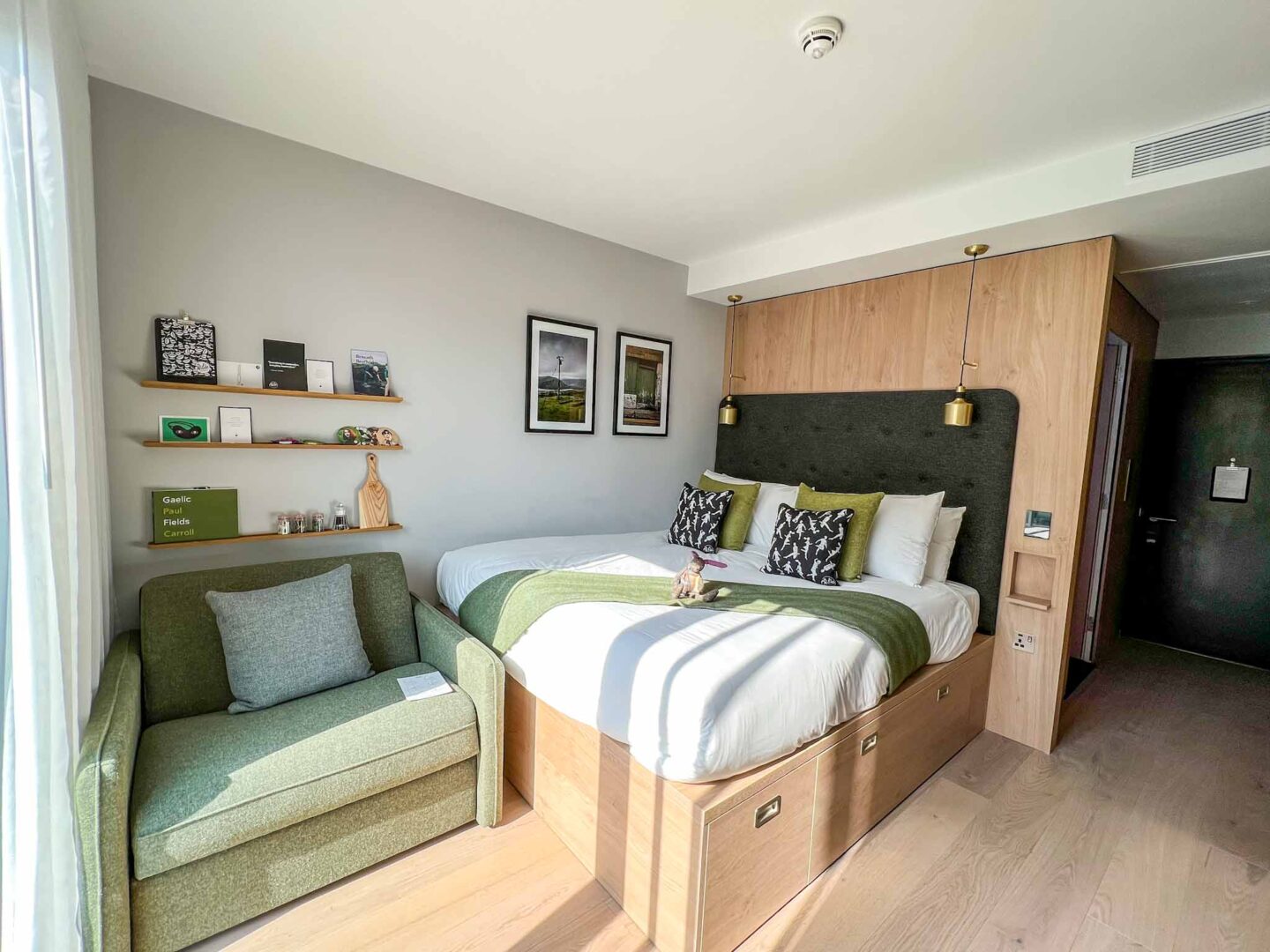
For longer stays, apartments and guesthouses almost always work out cheaper per night than hotels, and many offer proper monthly discounts if you ask directly. Having a kitchen makes a huge difference too — both for your budget and for feeling settled rather than like you’re permanently on holiday.
If you’re moving abroad more permanently as an expat, it’s worth thinking even longer-term: proximity to things you’ll use week in, week out, like a supermarket, a doctor, decent transport and, if you’re working, reliable internet. The area that’s perfect for a two-week holiday isn’t always the one you’d want to live in for a year. I’d always recommend renting short-term first and getting to know a couple of neighbourhoods before signing anything longer, however tempting it is to lock something in straight away.
Sorting Out Visas and How Long You Can Stay
This is the boring-but-essential one. Every country has different rules about how long you can stay, and they change more often than you’d think, so always check the official government guidance for your nationality before you book anything long-term.
If you’re a UK traveller, the UK government’s foreign travel advice pages are the first place I check — they cover entry requirements, visa rules and any safety considerations country by country. Some places give you 90 days visa-free, some 30, and some require you to sort a visa in advance, so it genuinely pays to know before you go rather than discovering a problem at the border.
If you fall in love with a place and want to extend, many countries have a process for it, but it’s usually far easier to plan around the rules from the start than to scramble for an extension at the last minute. Set a reminder a couple of weeks before your permitted stay ends so it never sneaks up on you.
And if you’re moving somewhere as a proper expat rather than a long-stay traveller, the visa side gets more involved — you may be looking at a residence permit, a work or digital-nomad visa, or registering with local authorities once you arrive. The requirements vary hugely from country to country, so I’d always recommend getting proper, up-to-date advice for your specific situation rather than relying on what a friend did a few years ago. Rules change, and getting this bit right from the start saves an enormous amount of stress later.
Getting Connected: SIMs and Wi-Fi
A local SIM card or eSIM is one of the first things I sort out on arrival. It’s almost always much cheaper than roaming, and having reliable data means you can navigate, translate, book things and stay in touch without being tied to Wi-Fi. In most countries you can pick one up at the airport or a phone shop for very little, and the data allowances are often far more generous than what we’re used to at home.
For anyone doing a bit of work while they travel — and more and more of us are — you’ll end up relying on a mix of your apartment Wi-Fi, cafes and maybe a co-working space. It’s worth testing the Wi-Fi speed before you commit to a longer let if working online matters to you. I always ask the host to run a quick speed test and send me a screenshot; the number of places that advertise ‘fast Wi-Fi’ and deliver something unusable is higher than you’d hope.

Keeping On Top of Life Admin (and Your Emails) While You’re Away
The longer you’re away, the more real life carries on in the background — bills, banking, and for those of us who work as we travel, a steady stream of emails to keep up with. This is even more true if you’re living abroad as an expat, when you’re not just keeping up with life back home but building a whole new one overseas: dealing with local banks, landlords, utilities and services, often in a language you’re still getting to grips with. Either way, it means logging into important accounts from all sorts of networks you don’t control, and that’s worth being a little bit careful about.
Your email account is the big one to protect, because it’s the key to almost everything else — if someone gets into it, they can reset the passwords on your other accounts. So a few sensible habits make a real difference when you’re living out of a suitcase for a month or more.
If you run any kind of business or freelance work while you travel, it’s really worth using a proper, secure professional email rather than an old free personal account. Look for a privacy-focused provider that offers end-to-end encryption and lets you use your own domain name. When you’re working across different countries and networks, having your email hosted somewhere with strong privacy built in is genuinely one less thing to worry about.
On top of that: turn on two-factor authentication for your email and anything with payment details attached, and save your backup codes somewhere offline before you go (being locked out of your own account because you’ve switched to a local SIM is a special kind of stressful). And when you’re working from cafe or shared Wi-Fi, using a VPN keeps your connection private on networks anyone can access. None of this takes long to set up, and it means you can enjoy your long stay without your inbox being a background worry.
Building a Routine That Isn’t a Rush
The magic of long-stay travel is that you don’t have to cram everything in. On a short trip there’s this constant pressure to tick off every sight before you leave. When you’ve got a month or more, you can space things out, have slow mornings, and treat some days as completely ordinary — which is exactly what makes a place start to feel like home.
I like to mix it up: a couple of proper sightseeing days a week, some days that are just working from a nice cafe and wandering afterwards, and at least one bigger day trip or overnight adventure further afield. It stops you feeling like you ‘should’ be doing more, and it’s a far more sustainable way to travel for weeks on end without burning out.
Give yourself permission to have lazy days too. You’re not on a two-week holiday where every hour counts. Some of my happiest travel memories are of doing absolutely nothing remarkable — just living somewhere beautiful for a while.
Getting to Know the Place (and the People)
This, for me, is the whole point. When you stay somewhere longer, you can go beyond the highlights and actually connect with a place. Learn a few words of the language — even just please, thank you and hello makes a huge difference to how people respond to you. Find your regular spots. Shop at the local market. Say yes to invitations.
Some of my best experiences abroad have come from simply being around long enough for things to happen — being invited to someone’s home, stumbling on a local festival, getting to know the family who ran the guesthouse. That doesn’t happen on a flying visit. It happens when you slow down and let a place unfold at its own pace.
Long-stay travel and living abroad really are my favourite ways to experience the world. It’s cheaper per day than constant moving around, far less exhausting, and it gives you the kind of memories and connections that a quick trip never can. Whether you’re basing yourself somewhere for a season or making a proper move as an expat, I’d say go for it — sort the practical bits in advance, then relax into it and enjoy having somewhere to properly call home, wherever in the world that happens to be.
Happy slow travels!
