Traveling as a student for the first time feels exciting, right? You may imagine new cities, colorful streets, friendly people, amazing food, and stories you will tell for years. It is like opening a fresh notebook on the first day of school. Every page is empty, and you get to fill it with adventure.
But here is the truth: travel is fun, yet it also asks you to be smart. When you are far from home, small mistakes can become big problems. Losing your passport, missing a train, choosing unsafe transport, or trusting the wrong person can quickly turn a dream trip into a stressful experience.
That does not mean you should be scared. It means you should be prepared. Good travel safety is not about avoiding adventure. It is about protecting your adventure. Think of safety like a seatbelt. It does not stop you from enjoying the ride; it helps you enjoy it with confidence.
Below are practical, simple, and important travel safety tips every first-time student explorer needs before stepping into the world.
Plan Before You Pack: Research, Documents, and Money
A safe trip begins long before you reach the airport because real preparation also means taking responsibility for your academic success. Before going on a trip, every student should finish all of their important schoolwork, such as turning in their assignments, checking their email, and making sure there is no unfinished work waiting in the background. If the stress gets too much, and you search for “where to find someone who can help me write my dissertation?” to get academic help, it is better to get help from qualified professionals for guidance, editing, research advice, or planning rather than ignoring the issue. Packing clothes is easy, but organizing your studies before a trip is what protects your peace of mind and lets you explore without stress.
Before you travel, learn about your destination. Understand the basic laws, customs, weather, local transport, emergency numbers, and common scams. Some countries have strict rules about public behavior, alcohol, clothing, photography, or medicines. What feels normal at home may not be accepted somewhere else.
Also, tell someone your travel plan. Share your flight details, hotel or hostel address, daily route, and emergency contacts with a trusted friend or family member. You do not need to report every step, but someone should know where you are expected to be.
Research Your Destination Like a Smart Local
Do not only watch travel videos or scroll through pretty photos. Those are helpful for inspiration, but they do not always show real safety information. Look for student travel blogs, local transport guides, university travel advice, and recent traveler reviews.
Learn which neighborhoods are safe, which areas to avoid at night, and how public transport works. Check whether taxis use meters, whether ride-sharing apps are common, and whether you need cash for buses or trains.
It is also useful to learn a few local phrases. Simple words like “hello,” “thank you,” “help,” “where is,” and “I need a doctor” can make a big difference. Language is like a small bridge. Even if it is not perfect, it helps you connect with people and solve problems faster.
Keep Documents and Money Safe
Your passport, visa, student ID, travel insurance, and bank cards are your travel lifelines. Protect them carefully.
Make digital and paper copies of important documents. Keep one printed copy in your bag and store digital copies in a secure cloud folder or email. Do not keep all documents, cards, and cash in one place. If your bag gets stolen, you should still have a backup.
Use a money belt, hidden pouch, or inside pocket for your passport and extra cash. Keep only small daily cash in your wallet. When paying in public, do not show large amounts of money.
Also, inform your bank before traveling, especially if you are going abroad. A blocked card in a foreign country can be a nightmare. Carry at least two payment options, such as a debit card and a backup credit card, if possible.
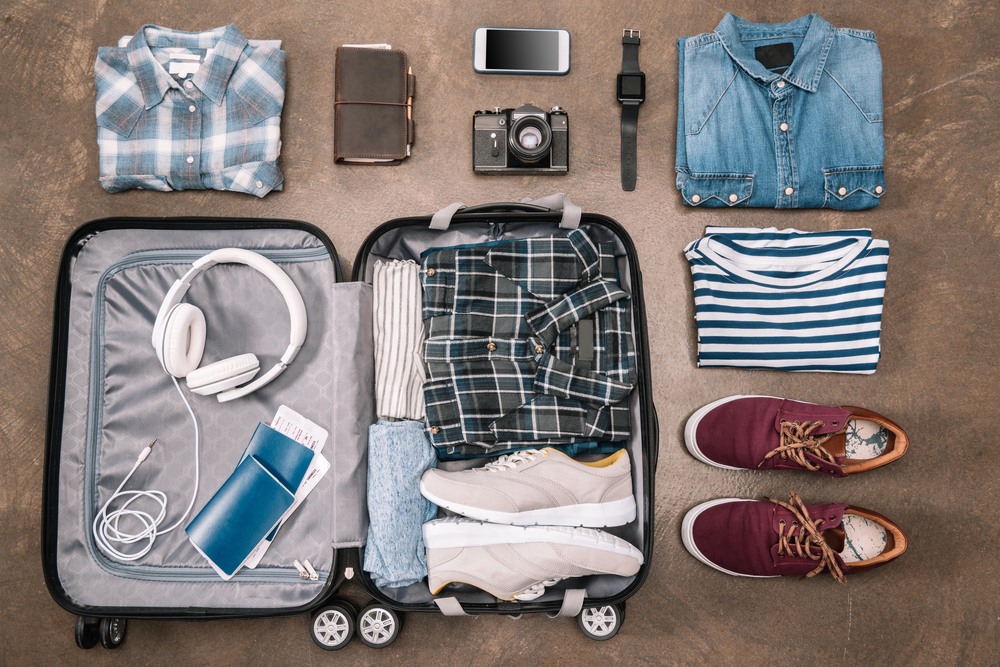
Why Travel Safety Matters for First-Time Student Explorers
First-time student travelers often feel a mix of freedom and nervous energy. You may be traveling without your parents, managing your own money, planning your own schedule, and making quick decisions in unfamiliar places. That is a big step.
Travel safety matters because students are often seen as easy targets. Why? Many students carry phones, laptops, cameras, passports, cards, and cash. Also, first-time travelers may look confused in airports, train stations, or busy streets. A lost face can attract helpful people, but it can also attract scammers.
However, safety is not only about crime. It also includes health, transport, communication, cultural respect, digital security, and emotional well-being. For example, do you know what to do if your phone battery dies in a foreign city? Do you have a backup copy of your passport? Can you contact your university, hostel, or family in an emergency?
These questions may sound serious, but they are part of smart travel. When you prepare well, you move through the world with more peace. You can enjoy the sunset, the museum, the beach, or the local market without constantly worrying.
A safe student explorer is not someone who avoids risk completely. That is impossible. Instead, a safe student explorer notices risks early and makes wise choices.
Stay Safe on the Move: Transport, Accommodation, and Tech
Transport is one of the most important parts of student travel safety. Airports, train stations, bus terminals, and taxi stands can be confusing, especially when you are tired or carrying heavy bags.
Try to arrive during the day, especially in a new city. Daylight makes it easier to find your accommodation, understand your surroundings, and ask for help. If you must arrive late at night, arrange transport in advance through your hotel, hostel, university, or a trusted app.
Avoid unmarked taxis or drivers who approach you aggressively. Use official taxi stands or verified ride-hailing apps. Before entering a vehicle, check the license plate, driver name, and route. Sit in the back seat, keep your bag close, and share your ride details with someone you trust.
Accommodation safety is just as important. Choose hostels, student housing, or hotels with good reviews, secure locks, and safe locations. Cheap is good, but too cheap can be risky. A low price is not worth it if the area is unsafe or transport is poor.
When you arrive, check exits, locks, and reception hours. In shared rooms, use lockers for valuables. Bring a small padlock because not every hostel provides one. Do not leave your passport, laptop, or wallet lying on your bed, even if your roommates seem friendly.
Your phone is another safety tool. Keep it charged and carry a power bank. Download offline maps before leaving Wi-Fi. Save important addresses, emergency numbers, and transport apps. Also, avoid using public Wi-Fi for banking or private accounts unless you use a secure connection.
Social media can create risks too. Posting your live location may seem harmless, but it tells strangers where you are. Share photos after you leave a place, not while you are still there. Your adventure does not need a live broadcast.
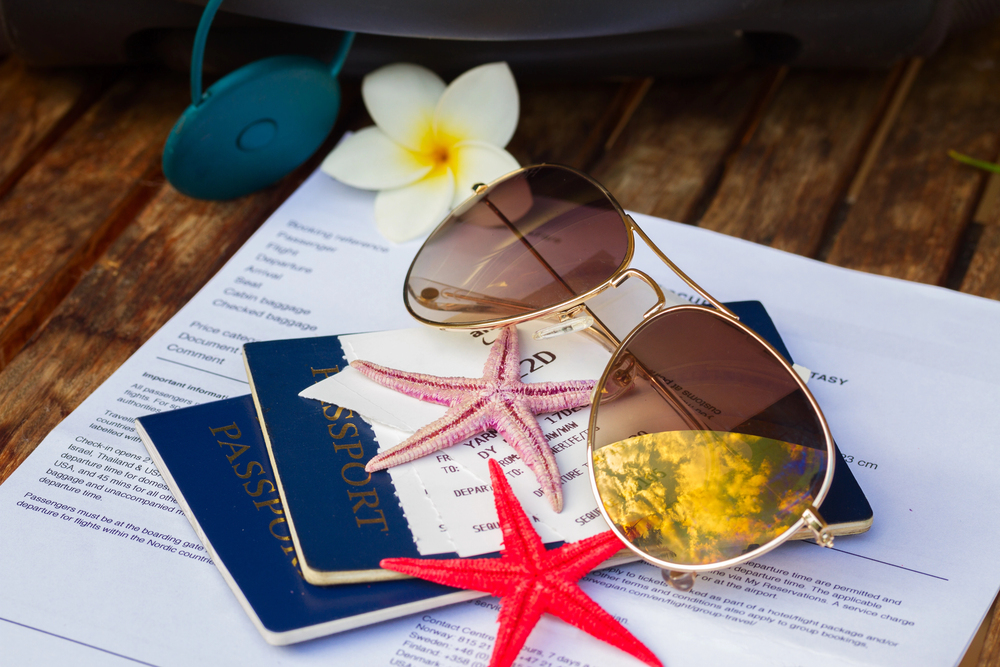
Personal Safety Habits: Health, Boundaries, and Street Smarts
Personal safety is about how you act every day. Your habits can protect you more than any expensive travel gadget.
First, trust your instincts. If a street feels unsafe, leave. If a person seems too pushy, step away. If an offer sounds too good to be true, it probably is. Your gut feeling is like an alarm bell. Do not silence it just because you want to be polite.
Stay aware of your surroundings. Avoid walking with both headphones in. Do not stare at your phone while crossing streets or moving through crowded areas. Pickpockets love distraction. Busy places such as markets, festivals, buses, and train stations are common spots for theft.
Be careful with alcohol and nightlife. Many students want to enjoy parties while traveling, and that is understandable. However, drinking too much in a new place can make you vulnerable. Keep an eye on your drink, avoid accepting drinks from strangers, and always have a plan to get back safely.
Set boundaries with new people. Travel friendships can be wonderful, but not everyone deserves your trust immediately. Do not share your room number, personal details, or travel schedule with strangers too quickly. Meet new people in public places first.
Health is another major part of safe travel. Carry basic medicine, hand sanitizer, reusable water bottle, and any prescription medicine you need. Keep medicine in its original packaging, especially when crossing borders. Eat from places that look clean and busy. If locals are eating there, that is usually a good sign.
Sleep matters too. Many first-time student travelers try to do everything at once. They take early buses, walk all day, party at night, and repeat the cycle. But tired travelers make poor decisions. Rest is not a waste of time. It is fuel for better adventures.
Also, respect local culture. Dress appropriately where needed, follow rules in religious places, and ask before taking photos of people. Respect works like a passport for human connection. It helps you move through unfamiliar places with kindness and safety.
Final Thoughts: Explore Bravely, But Travel Wisely
Traveling for the first time as a student can change the way you see the world. It teaches independence, patience, confidence, and curiosity. You learn that the world is much bigger than your classroom, yet many people are kinder than you expected.
Still, every great explorer needs wisdom. The best travel safety tips for students are not complicated. Plan ahead, protect your documents, manage your money, choose safe transport, stay aware, use technology wisely, and trust your instincts. These simple habits can save you from serious trouble.
Remember, safety does not make travel boring. It makes travel possible. It gives you the freedom to say yes to new experiences without losing control of your journey. Like a good map, safety does not limit your path; it helps you find the best one.
So pack your bag, charge your phone, copy your passport, and step forward with open eyes. The world is waiting, and you are ready to explore it wisely.