Looking for the best European winter sun destinations?? I don’t blame you! There is nothing quite like getting some winter sun when you live in the colder parts of the UK.
Many areas of Europe hold onto their heat throughout winter and are actually more enjoyable to explore, like the island of Malta and although locals who live there might be in coats, if you live in the UK or Northern Europe, you’ll find these destinations pleasantly warm throughout the winter months from December to February.
Whether you are looking for a winter sun city break in Europe or an all-inclusive winter sun holiday in Europe, here are the best options with temperatures and things to do in the destinations in winter.
Winter Sun in Europe: Temperature Comparison – Where’s warmest in winter?
| Destination | Avg daytime high (Dec to Feb) | Sunshine per day (Jan) | Rainy days (Jan) |
|---|---|---|---|
| Lanzarote | 21°C | 7 hrs | 4 |
| Fuerteventura | 21°C | 6.5 hrs | 2 |
| Madeira (Funchal) | 19 to 20°C | 4.5 hrs | Frequent showers |
| Paphos, Cyprus | 17 to 19°C | 6 hrs | 8 to 9 |
| Costa del Sol (Malaga) | 17 to 18°C | 6 hrs | 6 |
| Costa Blanca (Alicante) | 17 to 18°C | 6 hrs | 4 |
| Seville | 17 to 19°C | 6 hrs | 6 |
| Malta (Valletta) | 16 to 17°C | 5.5 hrs | 10 |
| Cadiz | 16 to 17°C | 6 hrs | 7 |
| Azores (Ponta Delgada) | 17°C | 3 hrs | 13 |
| Antalya | 15 to 17°C | 5 hrs | 13 |
| Sicily (Palermo) | 15 to 17°C | n/a | 12 |
| Crete (Heraklion) | 15 to 17°C | 4 hrs | 10 |
| Rhodes | 15 to 17°C | 4 hrs | 9 |
1. Lanzarote, Canary Islands,
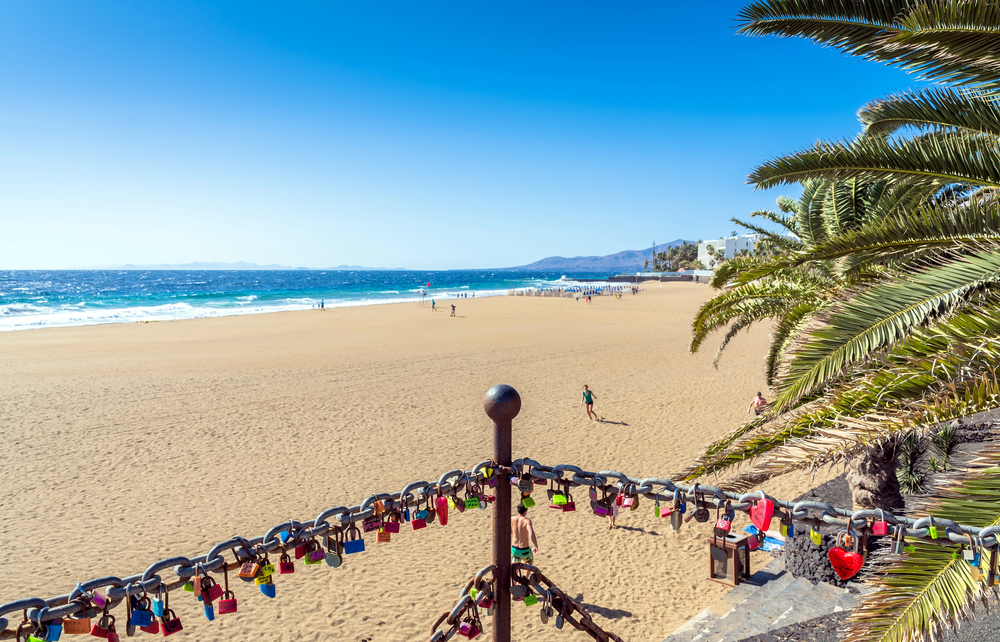
If you want the closest thing to guaranteed warmth in Europe this winter, Lanzarote is hard to beat. Daytime highs average around 21°C in both January and February, and you can expect roughly 7 hours of sunshine a day, with only about 4 days of rain across the whole of January and the sea sitting at around 19°C. Evenings are cooler, so pack a light jacket for dinner.
The island looks nothing like the rest of Europe. It’s all black lava fields, white villages and green shutters, and it’s a brilliant winter sun choice if you get bored lying by the pool.
Things to do in Lanzarote in winter:
- Timanfaya National Park: drive through the Fire Mountains and watch the guides pour water into the ground, where it shoots back up as steam.
- César Manrique’s creations: Jameos del Agua, Mirador del Río and the Cactus Garden all show off the local artist who shaped how the island looks today.
- La Geria: taste wine from vines grown in little volcanic craters.
- Papagayo beaches: a handful of sheltered golden coves on the south coast, perfect on a calm, sunny day.
- Teguise Sunday market: the island’s biggest market, in its prettiest old town.
2. Fuerteventura, Canary Islands
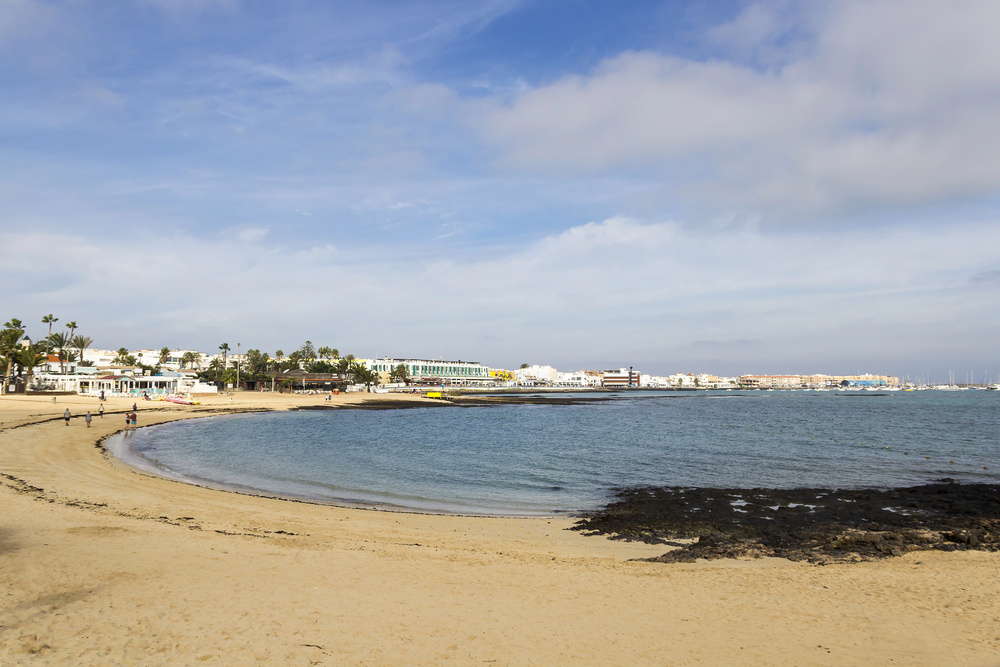
Fuerteventura is where you go when you want the Canaries’ weather with more space and far fewer people. Winter temperatures usually run from about 14°C at night to 21°C by day, with around 7 hours of sunshine, and January sees rain on just a couple of days on average, with the sea at nearly 19°C.
Head south if you can. The southern tip has its own microclimate that runs a few degrees warmer in winter, with Morro Jable and Costa Calma the resorts to look at making this area specifically one of the best destinations in Europe for winter sun.
Things to do in Fuerteventura in winter:
- Corralejo Dunes Natural Park: wander huge rolling sand dunes that run right down to turquoise water.
- Isla de Lobos: take the short ferry from Corralejo to this tiny protected island for walking and snorkelling.
- Cofete Beach: one of the most dramatic, remote beaches in Spain. It’s for looking at rather than swimming, as the currents are strong.
- Surfing: winter brings the best swells to the north coast, and there are surf schools for every level.
- Oasis Park: a big zoo and botanical garden that makes a great family day out.
3. Madeira, Portugal
Madeira doesn’t do scorching heat, even in summer, but it does do reliable mildness, even in winter with scenery that stops you in your tracks. In the capital, Funchal, January averages a high of almost 20°C and a low around 15°C, with about 4.5 hours of sunshine a day. Bear in mind the mountains and the north coast are cooler and cloudier than Funchal, so base yourself on the south coast for the best weather and pack layers if you plan to do some hiking in winter in Madeira.
Things to do in Madeira in winter:
- New Year’s Eve in Funchal: the fireworks over the bay are some of the most famous in the world, and December is when the whole city is lit up for Christmas.
- Levada walks: follow the old irrigation channels through laurel forest to waterfalls. Winter is a lovely time to hike without summer heat.
- Pico do Arieiro to Pico Ruivo: a spectacular ridge walk between the island’s highest peaks, often above the clouds.
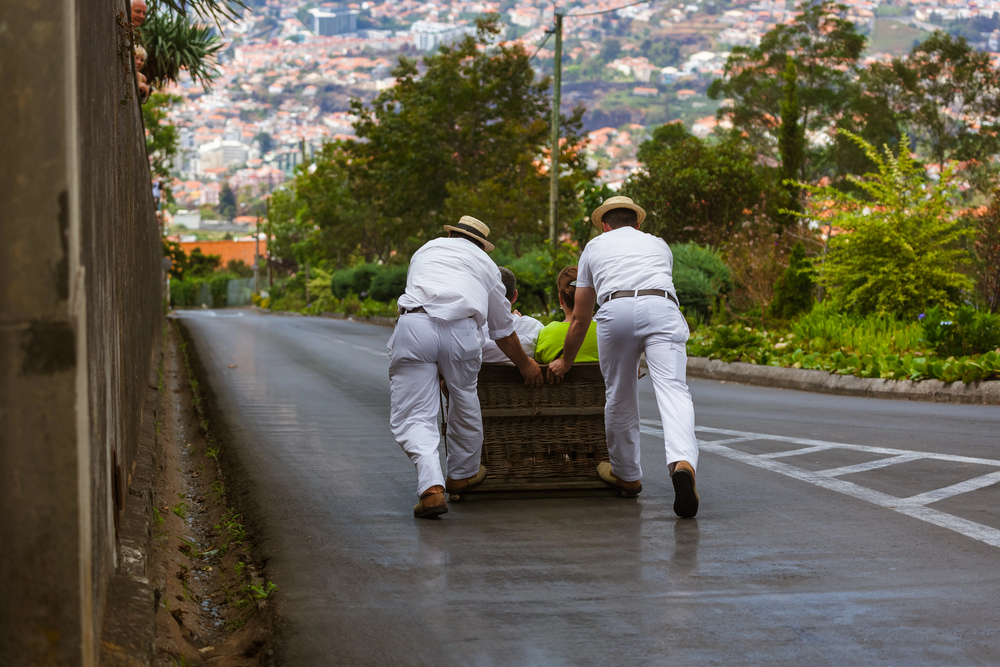
- The Monte toboggan ride: slide down the hill to Funchal in a wicker basket sledge steered by two men in straw hats.
- Mercado dos Lavradores: Funchal’s market, packed with exotic fruit you’ve probably never heard of.
4. Paphos, Cyprus
Cyprus is the warmest place in the Mediterranean for winter sun, and Paphos specifically. On the coast, average highs run from about 19°C in December to 17°C to 18°C in January and February, with around 6 to 7 hours of sunshine a day. The south coast racks up more than 3,300 hours of sunshine a year, and even in winter the sea doesn’t fall below about 17°C. December and January are the rainiest months, but the rain tends to come in short bursts, with plenty of clear, bright days in between.
The best part is that you can have sunshine on the coast and snow in the mountains on the same trip. The Troodos Mountains, an hour or so inland, get proper winter weather and even have a ski lift on Mount Olympus, because some people are looking for winter sun in Europe in the form of a sunny ski trip!
Things to do in Paphos in winter:
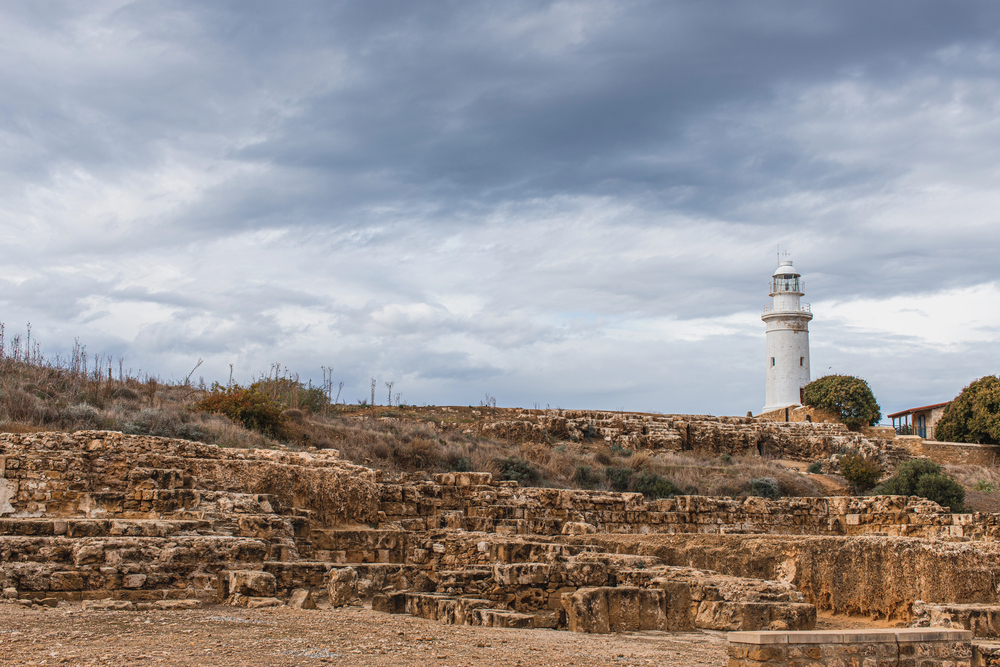
- Paphos Archaeological Park: a UNESCO listed site with some of the finest Roman mosaics in the world, far more enjoyable without summer heat.
- Tombs of the Kings: underground tombs carved into the rock right by the sea.
- Aphrodite’s Rock: the legendary birthplace of the goddess, stunning at sunset.
- Avakas Gorge and the Akamas Peninsula: winter is hiking season in Cyprus, and these wild western trails are at their best when it’s cool.
- Troodos Mountains day trip: visit Kykkos Monastery, the wine village of Omodos, and snow on Mount Olympus if you’re lucky.
- Kourion: an ancient theatre on a clifftop between Paphos and Limassol, with huge sea views.
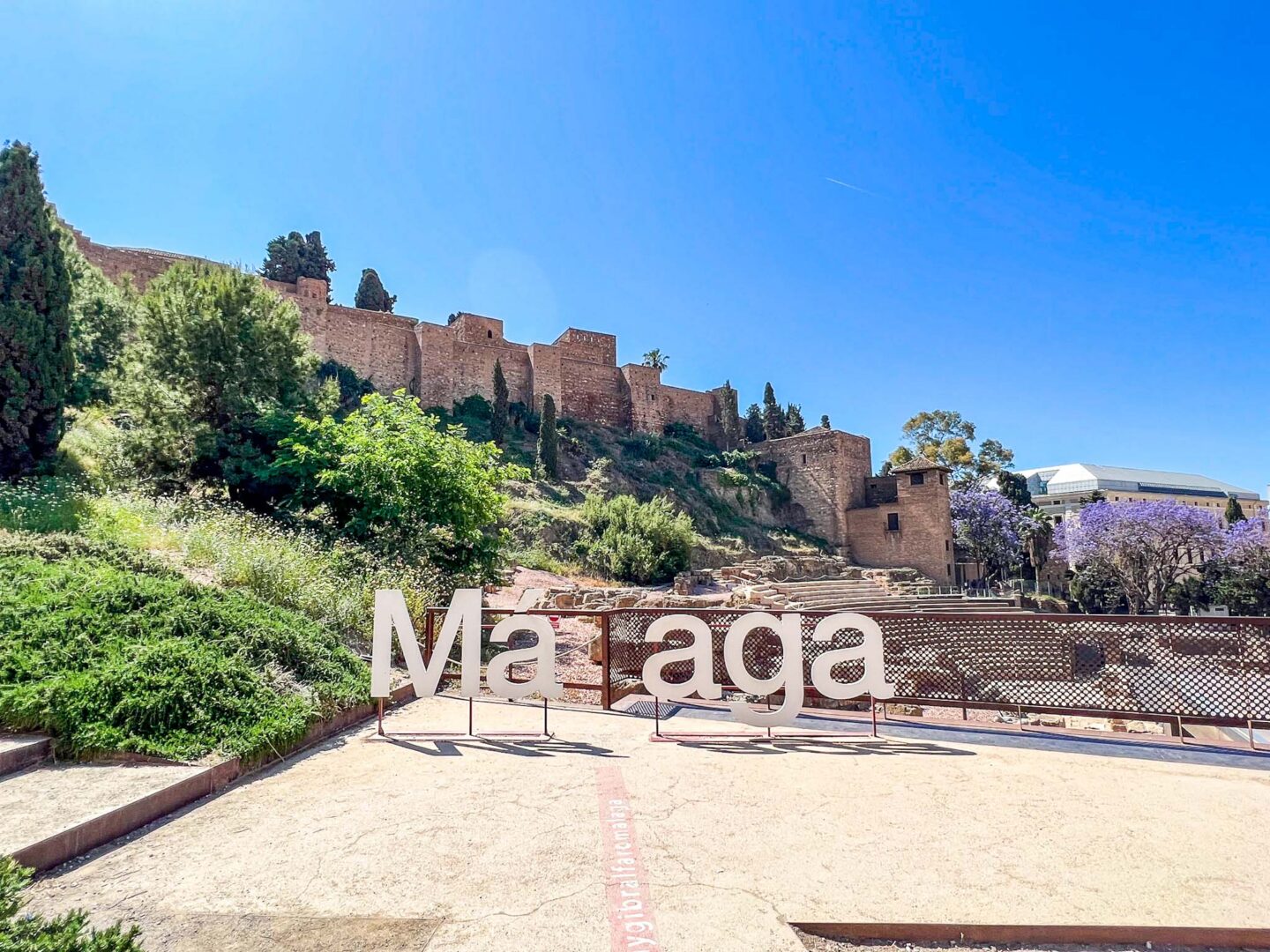
5. Costa del Sol (Malaga and Marbella), Spain
For a short flight and a proper dose of sunshine, the Costa del Sol is one of the easiest winter wins in Europe. In Malaga, average highs sit between about 17°C and 18°C from December to February, with 5 to 6.5 hours of sunshine a day, and its winter sunshine ranks among the highest in Europe. Rain usually arrives in short spells rather than settling in for weeks.
Malaga city is bustling all year round and there’s plenty of the Andalusia region to see on day trips or a road trip from Malaga where you can chase the winter sun.
Things to do on the Costa del Sol in winter:
- Calle Larios Christmas lights: Malaga’s main street puts on one of Spain’s best light shows every December.
- Alcazaba and Gibralfaro: explore the Moorish fortress and walk up to the castle for views over the city and port.
- Caminito del Rey: the famous cliffside walkway is far more comfortable in the cool months. Book ahead.
- Marbella Old Town: orange trees, whitewashed lanes and Plaza de los Naranjos, then a stroll along the Golden Mile.
- Nerja and Frigiliana: combine the enormous Nerja Caves with lunch in one of Andalusia’s prettiest white villages.
Related posts: Southern Spain Itinerary COMPLETE GUIDE – Short or Long Trip!
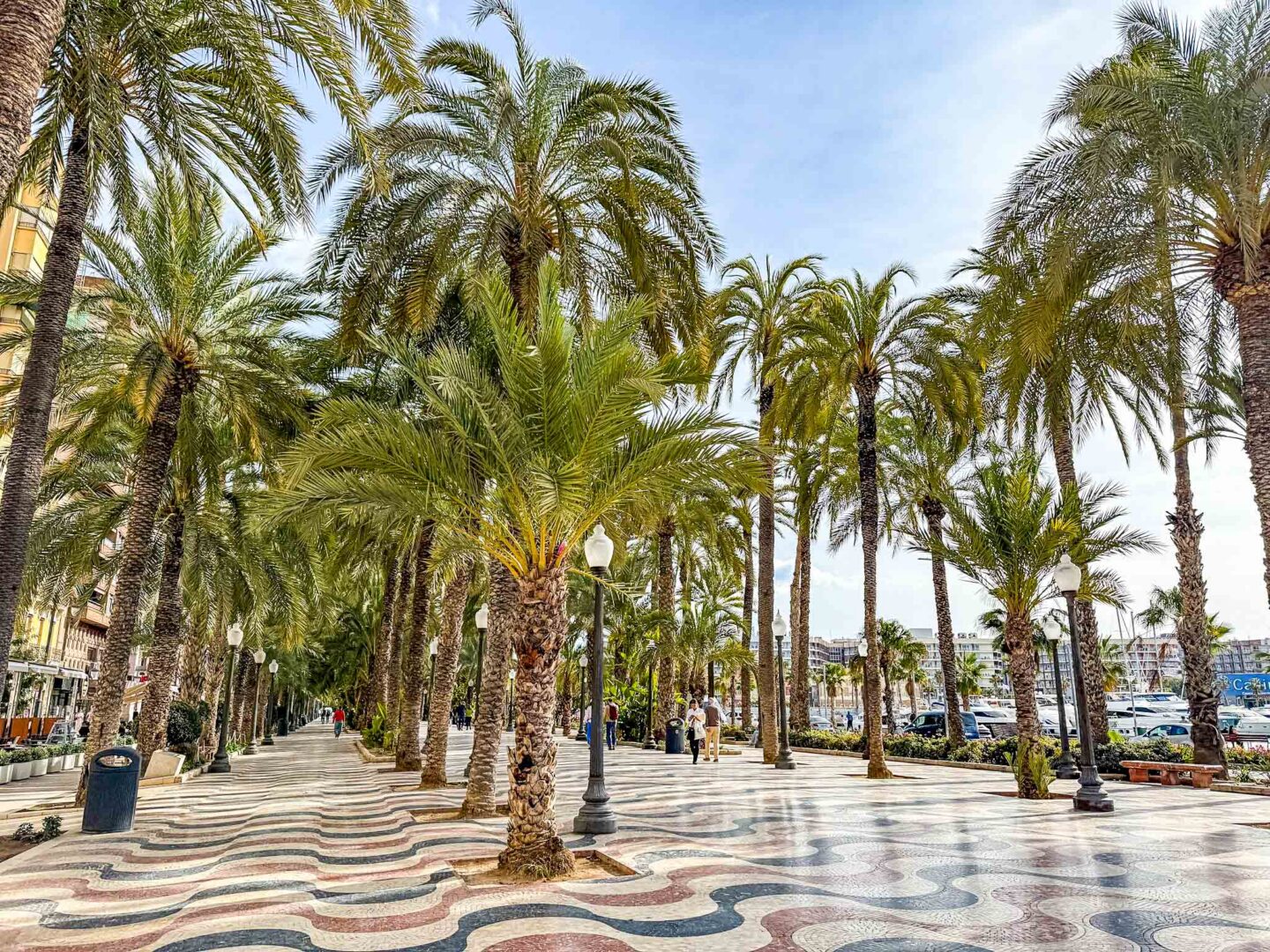
6. Costa Blanca (Alicante), Spain
The Costa Blanca’s biggest selling point in winter is how dry it is. Alicante gets only around 285mm of rain a year and just 3 or 4 rainy days a month in winter, with highs around 17°C to 18°C and about 6 hours of sunshine a day in January. That’s why so many Northern Europeans spend the whole winter here. The sea is chilly by this point, so this is a walking, exploring and eating out kind of trip. Luckily Alicante is full of restaurants and so are the nearby towns in the Costa Blana.
Last year we flew into Alicante in February and stayed in Calp just up the coat and it was a great winter sun getaway in Spain in February.
Things to do on the Costa Blanca in winter:
- Santa Bárbara Castle: ride the lift up to this hilltop fortress for the best view of Alicante.
- Almond blossom season: from late January into February, the valleys around Jalón turn pink and white.
- Guadalest and Altea: a castle village perched on a rock, and a hilltop old town with a blue domed church.
- Elche Palm Grove: a UNESCO listed forest of palm trees just outside Alicante.
- Benidorm: love it or hate it, it stays busy all winter, which means everything is open, handy with kids.
Related posts: 10 Money Saving Tips for Benidorm: A Budget-Friendly Guide!
7. Seville, Spain
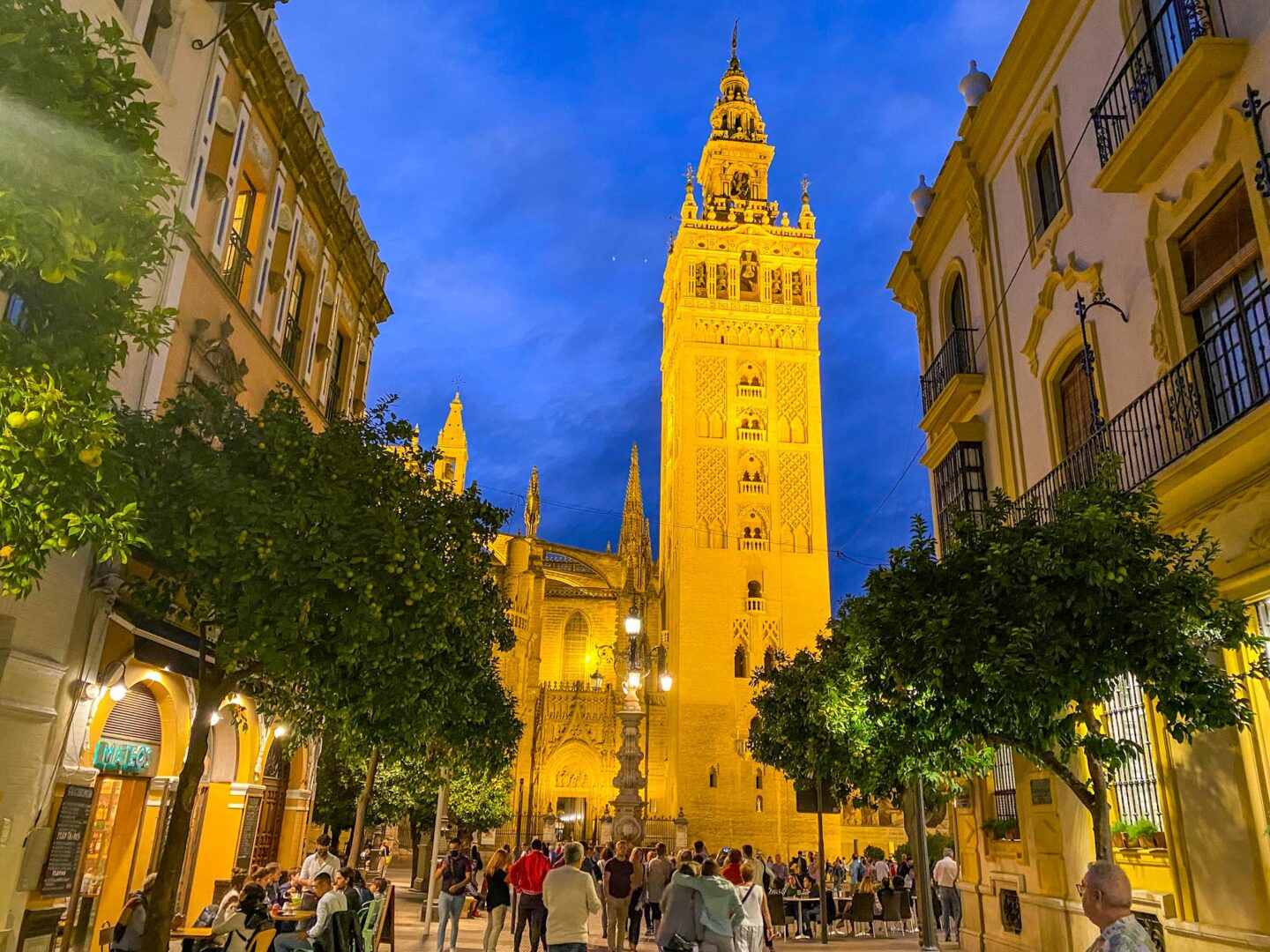
For one of the best winter sun city breaks in Europe, Seville is a great answer. I went in November and it was still extremely mild. January highs average around 16.5°C, rising to 18.6°C in February and nearly 22°C by March, with about 6 hours of sunshine a day. The catch is the nights, which can drop to around 6°C to 7°C, so bring layers.
This is the time to see Seville’s big sights without the brutal summer heat and you can also explore more of the region by train or car from Seville.
Things to do in Seville in winter:
- Real Alcázar: the royal palace and gardens are far more enjoyable without summer crowds and 40°C heat.
- The Cathedral and the Giralda: climb the bell tower ramps for views across the rooftops.
- Plaza de España: the most photogenic square in Spain, and you can hire a little rowing boat on the canal.
- Flamenco in Triana: the neighbourhood across the river is the traditional home of flamenco.
- Three Kings parade: on 5 January, the Cabalgata de Reyes throws sweets to the crowds through the streets.
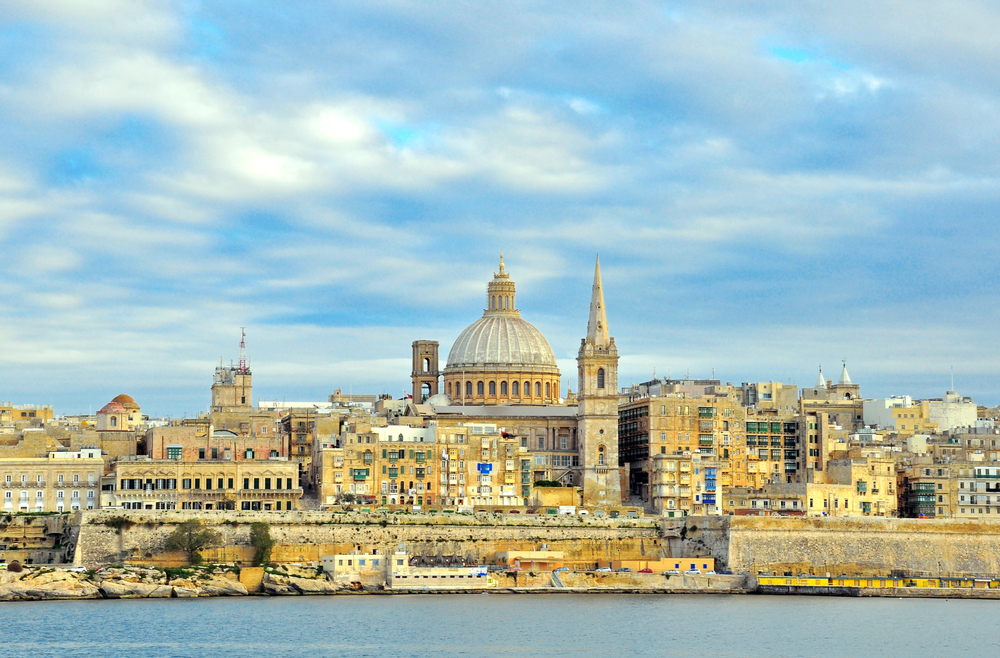
8. Malta
Malta is one of the sunniest countries in Europe, with around 3,000 hours of sunshine a year, and the whole island is small enough to explore easily. In winter, sunny spells alternate with windy, rainy ones. Valletta averages highs of about 17°C in December and just under 16°C in January and February, with 5 to 6.5 hours of sunshine a day and rain on around 10 days in December and January. Cold days are rare, and it almost never freezes.
This is a European winter city break destination. You won’t be swimming (the sea drops to around 16°C), but you’ll have Malta’s incredible history, cities and towns pretty much to yourself.
Things to do in Malta in winter:
- Valletta: see Caravaggio’s masterpiece in St John’s Cathedral, then catch the noon gun firing at the Upper Barrakka Gardens.
- Mdina: the Silent City, a medieval walled town that’s magical in the quiet off season.
- Gozo: take the ferry across for the Citadel in Victoria and Ta’ Pinu Basilica. In December, Għajnsielem hosts Bethlehem f’Għajnsielem, a whole village recreating the nativity.
- The Three Cities: cross the Grand Harbour by traditional dghajsa boat to Birgu, Senglea and Cospicua.
- Marsaxlokk: browse the Sunday fish market among the brightly painted luzzu boats.
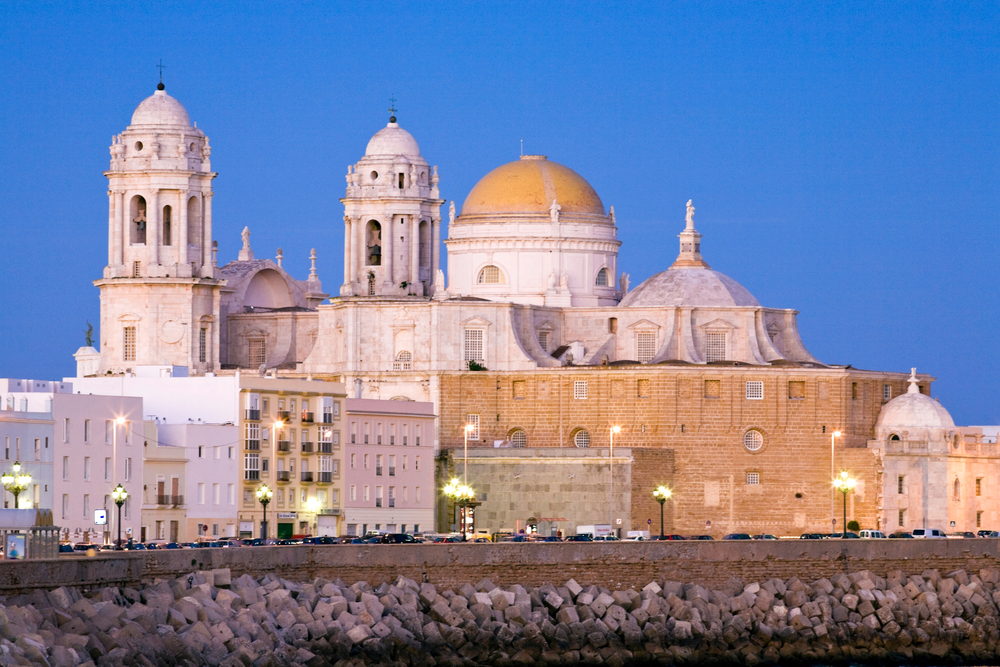
9. Cadiz, Spain
Cadiz sits almost surrounded by the Atlantic, and that gives it one of the gentlest winters on the Spanish mainland. Temperatures almost never drop below freezing, winter highs average around 16°C to 17°C, and there are about 5.5 to 7 hours of sunshine a day between December and February. It is breezy, though, so a windproof jacket is worth packing.
One of the oldest cities in Western Europe, Cadiz is compact and walkable, and it has a lovely local feel in the off season.
Things to do in Cadiz in winter:
- Cadiz Carnival: in February the city hosts one of Spain’s biggest and funniest carnivals, famous for its satirical singing groups.
- Torre Tavira: see the whole city projected live through a camera obscura at the top of the tower.
- La Caleta beach: watch the sunset between the two castles at either end of the bay.
- Sherry in Jerez: a short train ride away, with bodega tours and horse shows.
- White villages: drive out to Vejer de la Frontera, one of the most beautiful hilltop towns in Andalusia.
10. Antalya, Türkiye
I went to Antalya in December, and it’s a good example of how winter sun in Europe can surprise you. Around half our trip was sunny, but there was one day of non stop rain from a storm. The figures back that up: highs average about 17°C in December and 15°C to 16°C in January and February, but December and January are very wet, with rain on 12 to 13 days a month. When the sun is out, you get 4.5 to 6 hours of it a day, and the sea holds at around 17°C to 18°C.
If you’re travelling to Southern Türkiye in winter you probably want a hotel type of holiday and my advice is to pick a hotel with a heated pool. We stayed all inclusive at the Rixos Downtown, and its heated pool made the whole trip. The big advantage of Antalya in winter is that it’s a large city, so restaurants and attractions stay open, like Land of Legends.
Things to do in Antalya in winter:
- Kaleiçi: wander the old town’s lanes and harbour, entering through Hadrian’s Gate.
- Land of Legends: we visited in December. The water park was closed, but the theme park was open with no queues at all.
- Aspendos: one of the best preserved Roman theatres anywhere, an easy day trip from the city.
- Tahtalı cable car: ride up the mountain near Kemer for views over the coast, often with snow at the top in winter.
- A Turkish hamam: the perfect way to warm up on a cooler evening.
Related post: Antalya in Winter
12. Sicily, Italy
Sicily is at its most authentic in winter, when the island belongs to Sicilians again. On the coast in Palermo, average highs range from about 15°C to 17°C between December and February, and when the sirocco blows up from Africa it can push winter temperatures to 20°C or more. It’s one of the wetter destinations here though, with Palermo seeing rain on around 12 days in both December and January, so go for culture and food rather than the beach.
Things to do in Sicily in winter:
- Mount Etna: after a snowfall, you can ski on an active volcano while looking out over the Mediterranean.
- Almond blossom in Agrigento: visit the Valley of the Temples in February, when the almond trees are in flower and the town holds its almond blossom festival.
- Festa di Sant’Agata: in early February, Catania hosts one of the biggest religious festivals in the world.
- Palermo street food: arancine, panelle and cannoli straight from the markets.
- Taormina and Ortigia: normally packed, these pretty towns are wonderfully calm in winter.
Related post: On Holiday in Sicily with an 8 Month Old!
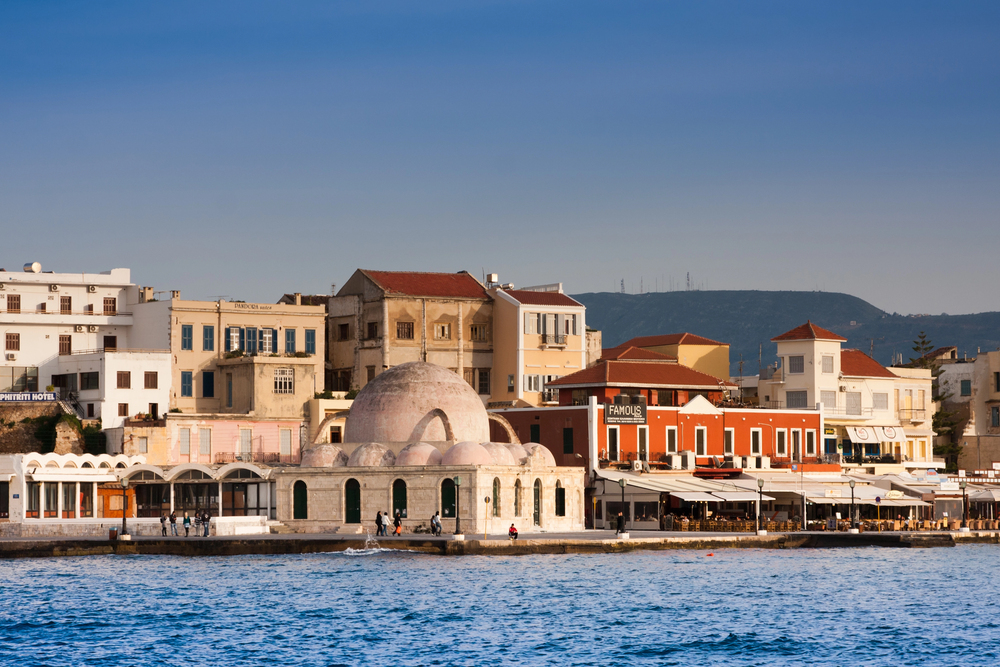
13. Crete, Greece
Crete is Greece’s southernmost big island and the warmest Greek option in winter, but it’s a mild winter, not a hot one. In Heraklion, highs average about 17°C in December and around 15°C in January and February, with 3.5 to 4.5 hours of sunshine a day and rain on roughly 10 days in December and January. On a clear day, you can sit outside in a T shirt and look up at snow on the mountains.
Many beach resorts close for the season, so base yourself in Chania or Heraklion, where life carries on as normal.
Things to do in Crete in winter:
- Knossos: explore the Minoan palace without queues or midday heat, then visit the Heraklion Archaeological Museum.
- Chania’s Venetian harbour: one of the prettiest harbours in Greece, and just as lively with locals in winter.
- Olive harvest: late autumn into winter is harvest time, and some farms offer tours and tastings of fresh olive oil.
- Rethymno Old Town: lanes of Venetian and Ottoman buildings, a fortress and cosy tavernas.
- Winter walks: gentler hikes are lovely now, but note the famous Samaria Gorge normally closes over winter.
14. Rhodes, Greece
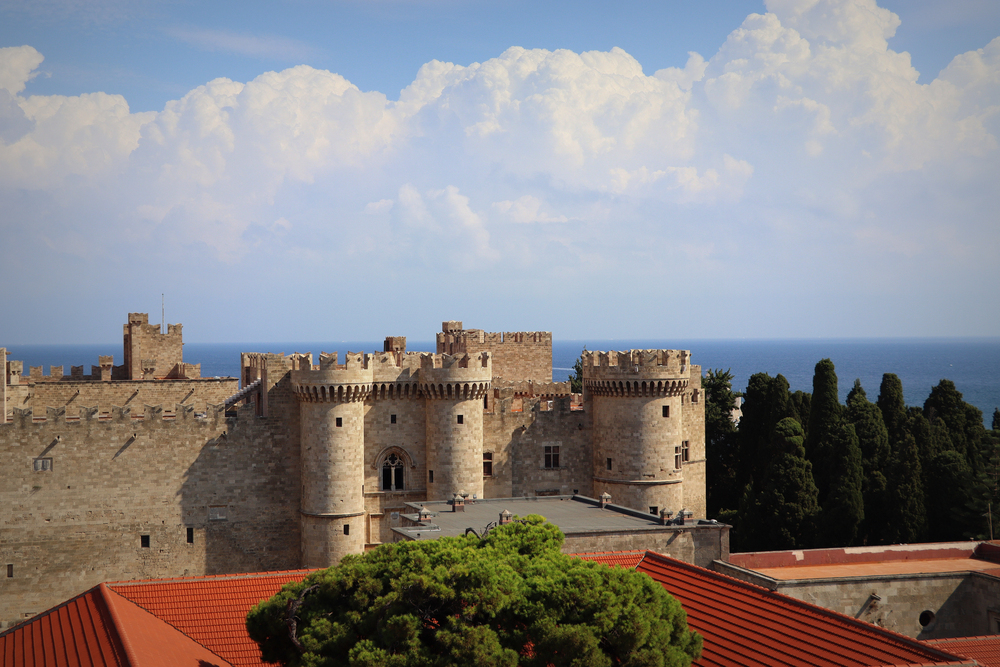
Rhodes is ideal if you want history on your winter sun trip in Europe. December highs average around 17°C, and January and February around 15°C. Sunny days alternate with rainy spells, with rain on about 8 to 11 days a month. The sea stays warmer than you might expect, averaging around 17.5°C in January.
Stay in Rhodes Town rather than the resorts, as many hotels along the coast close for winter while the town carries on year round.
Things to do in Rhodes in winter:
- The Medieval Old Town: get lost inside one of the best preserved medieval walled towns in Europe.
- Palace of the Grand Master: the Knights’ castle at the top of the Street of the Knights.
- Lindos: climb to the Acropolis above the whitewashed village, far more pleasant than on a sweltering summer day.
- Kallithea Springs: a restored Italian era spa by the sea, very photogenic out of season.
- Seven Springs: a leafy valley walk through a narrow water tunnel, fun with older kids.
Winter Sun in Europe FAQs
Where is the warmest place in Europe in winter?
The Canary Islands are the warmest place in Europe in winter. Lanzarote and Fuerteventura both average daytime highs of around 21°C in January and February, with about 7 hours of sunshine a day and very little rain. Madeira and Cyprus are the next warmest, with highs of around 17°C to 20°C.
Where is hot in Europe in January?
Nowhere in Europe is truly hot in January, but the Canary Islands come closest, with daytime highs of around 21°C. For a warm but not hot trip, Madeira, Cyprus and southern Spain (Malaga, Alicante and Seville) all average between 16°C and 20°C.
Where is warm in Europe in February?
The Canary Islands are again the warmest choice in February, at around 21°C. February is also when southern Spain starts to warm up. Seville averages nearly 19°C, and the Costa del Sol and Costa Blanca both hit around 18°C, often with more sunshine than December or January. February is also a great month for festivals, with carnival in Cadiz and almond blossom season in Sicily and around Alicante.
Is winter sun guaranteed anywhere in Europe?
No, and it’s worth knowing this before you book. Even the sunniest places in Europe get the odd cloudy or rainy day in winter. When I went to Antalya in December, about half the trip was sunny, and we had one full day of rain. The Canary Islands are the most reliable option. The Greek islands, Sicily, Antalya and Corfu have the most rain in winter, so plan some indoor activities just in case.
For example, went on holiday in to Antalya in Southern Turkey in December which is mentioned on this list, and although it was sunny for half the trip and it was much nicer than the UK and many other parts of Europe, it did rain for a few days and I was a little disappointed because I had hoped for nicer weather in Antalya in Winter. This is a great example of not getting guaranteed winter sun in Europe because the weather is very temperamental in winter in Europe.
Which winter sun destination in Europe is best for families?
The Canary Islands are the easiest choice for families, thanks to reliable weather, plenty of family resorts and attractions like Oasis Park in Fuerteventura. Benidorm on the Costa Blanca stays busy all winter, so everything is open. Antalya is great value for an all inclusive winter break, and theme parks like Land of Legends are open with no queues. Whichever you pick, check that the hotel pool is heated.
What is the best winter sun city break in Europe?
Seville is my top pick for a winter city break, with around 6 hours of sunshine a day and highs of 16°C to 19°C, perfect for sightseeing without summer heat. Malaga, Valletta in Malta and Palermo in Sicily are also great for culture, food and sunshine without needing a beach.
Where is best for winter sun in Europe at Christmas?
Madeira is famous for its Christmas lights and one of the world’s best New Year’s Eve firework displays over Funchal bay. Malaga’s Calle Larios puts on a spectacular Christmas light show, and Malta and Gozo are known for their nativity scenes, including a whole village recreating Bethlehem. For the warmest Christmas, the Canary Islands are the safest bet.
Is November or March better for winter sun than December or January?
Often, yes. November and March are warmer, drier and sunnier than midwinter across most of the Mediterranean. Paphos in Cyprus averages around 23°C in November, and Antalya around 21°C. If you’re considering Corfu, Crete or Rhodes, November or March will give you much better weather than December or January.
I hope these places for Winter Sun in Europe and nearby have helped give you an idea of where to go!